At Oakton Coins & Collectibles, we buy silverplated items primarily as scrap. Silver plate is not solid silver — it is a thin silver coating over copper, brass, or other base metals. Because the silver content is minimal and refining is labor-intensive, silverplate has modest value compared with sterling silver.
We want customers to understand this clearly before visiting. Many people assume silverplate is the same as sterling silver because the items often look impressive, feel heavy, and were once expensive household pieces.
In many cases, silverplated items come in alongside a few pieces of actual sterling silver, especially from estates or inherited collections. We sort through these situations regularly and separate what is sterling from what is plated.
We also buy silver, sterling silver flatware, jewelry, coins, bullion, and broader estate collections.
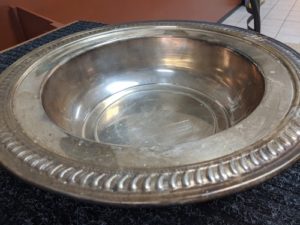
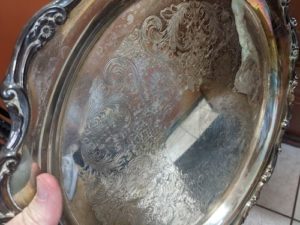
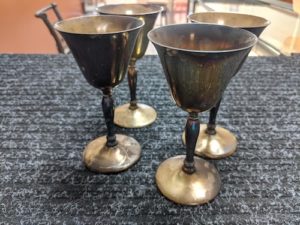
What Is Silver Plate?
Silverplate is often confused with sterling silver, but they are very different materials.
Sterling Silver
• Solid silver (.925 silver)
• High intrinsic silver value
Silver Plate
• Base metal with a thin silver coating
• Minimal silver content
• Low scrap value
If an item is marked “STERLING,” “.925,” or “925”, it is solid silver and usually worth significantly more.
If it is marked “EP,” “EPNS,” “A1,” “Silver Plate,” or has no silver markings at all, it is usually silverplate.
This confusion is extremely common. You can also learn more on our page about understanding different types of silver.
Silver Plate and Estates
Silverplated items are extremely common in estate collections, especially older homes where formal dining sets, serving trays, tea sets, and decorative silver were once popular wedding gifts.
Many families assume these items are sterling because of their appearance and weight. Sometimes collections contain a mixture of sterling and plated items together. We regularly separate these categories and explain the difference clearly.
We also buy broader estate collections, including sterling silver, jewelry, bullion, coins, and other valuables.

What We Buy
We buy silverplate in larger quantities, including:
- Flatware sets and mixed lots
- Serving trays, bowls, and tea sets
- Decorative silverplated household items
- Estate and clean-out accumulations
For silverplate to have scrap value, the underlying metal needs to be non-magnetic, usually copper or brass-based material.
Single pieces or very small quantities usually have very limited value.
How Silver Plate Is Valued
Silverplate is generally purchased by weight based on recyclable base-metal content.
Payouts are typically low because of:
- Minimal silver content
- Labor-intensive processing
- Refining and recycling costs
If you are expecting sterling silver prices, silverplate will likely be disappointing.
However, bulk quantities can still be sold instead of simply being discarded.
Some decorative or unusual silverplated items may also carry resale value beyond scrap depending on style, maker, or demand, though most common silverplate trades close to scrap-related pricing.
Before Throwing It Away
Even though silverplate has modest value compared with sterling silver, it is still worth identifying properly before throwing it away or donating it. Many people accidentally discard sterling silver because they assume everything is plated.
We are always happy to quickly separate sterling silver from silverplate and explain what you have.
Why We Still Buy Silverplate
A lot of silverplate comes into the shop mixed together with actual sterling silver, especially from inherited estates, downsizing situations, and older household collections. Families often are not sure what is sterling and what is plated because the items can look very similar.
We do buy silverplate and sort through it regularly, but realistically, silverplate is not a major standalone business category. Most common silverplate today has very limited resale demand and is ultimately processed more for its copper and base-metal content than for the thin silver coating itself.
In practical terms, most silverplate is really closer to copper scrap than solid silver. About 90% of the time, the underlying metal is primarily copper or brass.
Some customers are disappointed when they learn their items are silverplated instead of sterling silver because the appearance can be deceiving. That is one reason we spend so much time explaining the difference between sterling and silverplate clearly and honestly.
Even so, many people are still happy to sell silverplate because they no longer want to store, move, or deal with large heavy sets that have become difficult to resell in today’s market.
Honestly, for many people it still ends up being a good deal simply because there are very few realistic outlets for common silverplate today. Most large silverplated sets are difficult to resell privately and often end up donated, discarded, or thrown into recycling with no return at all. By bringing it to us, customers at least receive something for it and do not have to haul heavy boxes of unwanted silverplate back home.
When Selling Silver Plate Makes Sense
Silverplate is usually worth bringing in when:
- You have a box, tote, or full set
- Items came from an estate, downsizing, or clean-out
- You want the items gone responsibly instead of discarded
For only a few items, donating or repurposing them may make more sense financially.

Frequently Asked Questions
Is silverplate worth a lot of money?
Usually not. Silverplate contains only a VERY thin layer of silver over a base metal such as copper or brass. In practical terms, most silverplate is being valued more like copper or mixed base metal than silver.
Why does silverplate look valuable?
Silverplate was designed to imitate sterling silver, so the confusion is completely normal.
Do you still buy silverplate?
Yes. We do buy silverplate.
Most silverplate is ultimately recycled for its underlying copper and base-metal content Most silverplate is ultimately recycled for its underlying copper and base-metal content because traditional precious-metal refiners generally do not process common silverplate separately for silver recovery. The silver coating is extremely thin — in practical terms, closer to a microscopic layer than solid silver. Once people understand how little actual silver is present, the pricing usually makes much more sense.
Realistically, there are limited resale outlets for common silverplate today, especially large estate accumulations. In many ways, it has become part of the clutter of the antique world.
Can you identify whether my items are sterling or plated?
Absolutely. We regularly separate sterling silver from silverplate during estate and household evaluations.
Visit Oakton Coins & Collectibles
If you are unsure whether your items are sterling silver or silverplate, bring them in.
We will explain what you have, what it is worth, and whether selling makes sense — with no pressure.
Oakton Coins & Collectibles buys silver, sterling silver, silverplate, bullion, jewelry, coins, and estate valuables in Skokie and throughout the Chicago area.