One of the biggest misconceptions we see is that every gold or silver coin is automatically rare or collectible. In reality, most coins are not rare, even if they are made of precious metal.
Bullion coins are valued mainly for the gold, silver, platinum, or palladium they contain. Numismatic coins are valued for rarity, condition, collector demand, and historical importance. Some coins are clearly one or the other, but many fall somewhere in between.
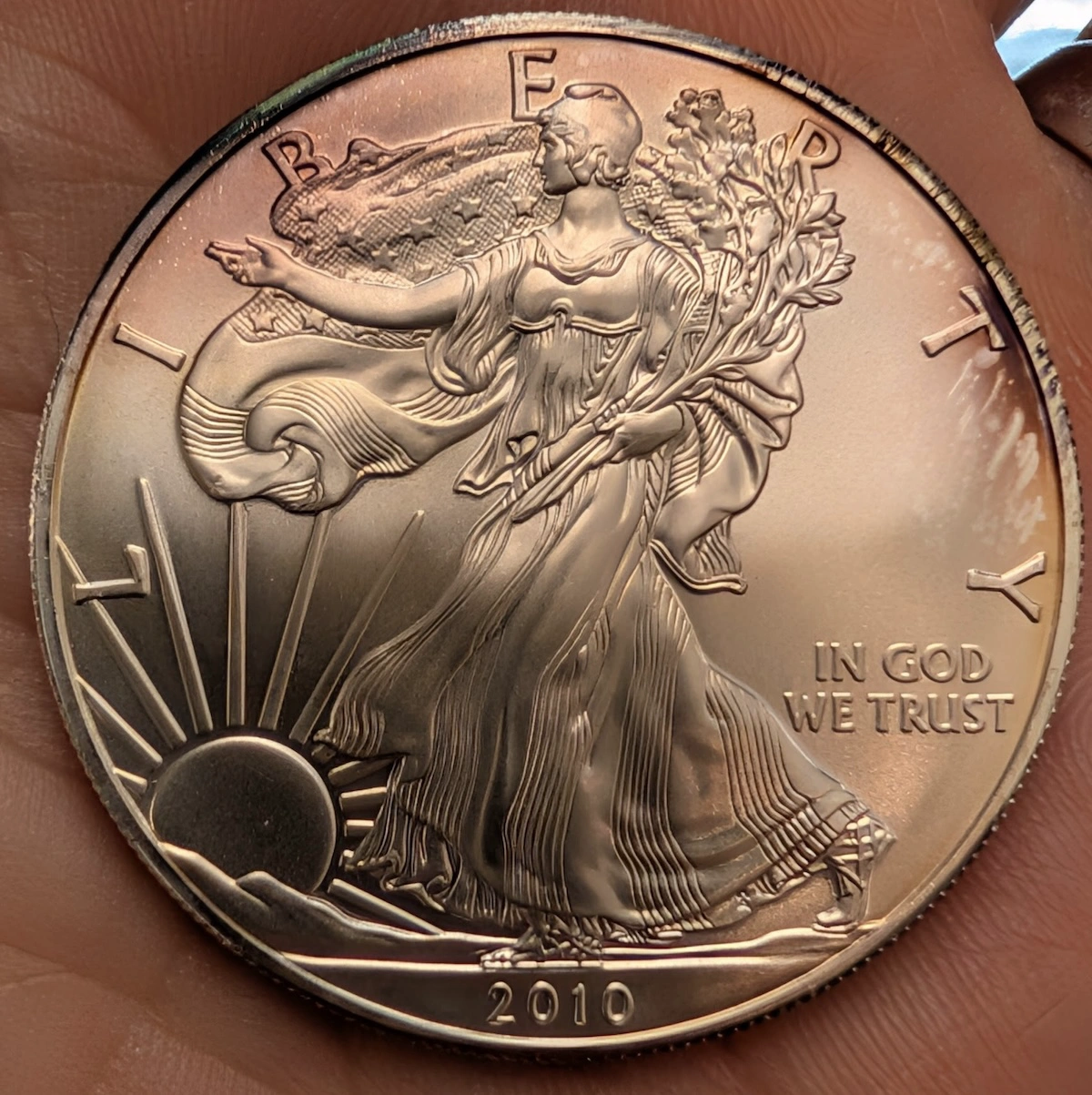
Bullion Coins Are Meant to Be Bullion
Bullion coins are made by governments and private mints to trade primarily for their precious metal content. They are meant to be simple, recognizable, and fairly interchangeable. A one-ounce gold coin is supposed to be easy to understand: it contains one ounce of gold, and its value moves with the gold market.
Examples include American Gold Eagles, Canadian Maple Leafs, South African Krugerrands, silver rounds, silver bars, and many modern bullion products. Some carry higher premiums than others, but the main value is still the metal. Buyers interested primarily in precious-metal content can learn more about gold bullion and silver bullion.
For example, most bullion buyers do not care very much whether a Krugerrand says 1978, 1984, or 1995. As long as it is genuine and contains the correct amount of gold, it trades mostly as bullion. There may be small premium differences, but bullion is still bullion. Our article on why so many parents and grandparents bought Krugerrands explains why these coins appear so frequently in older collections and estates.
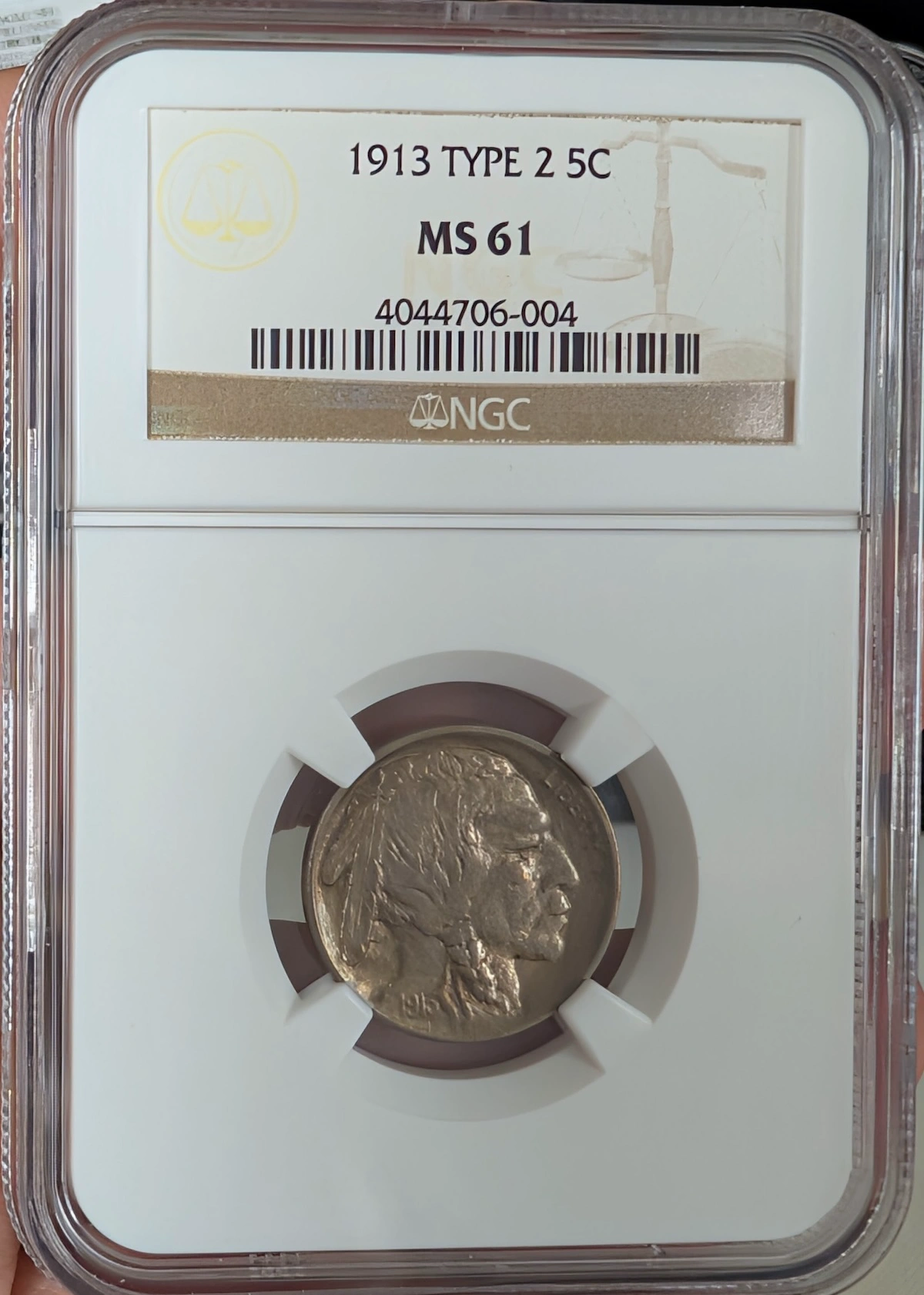 Numismatic Coins Depend on Collector Demand
Numismatic coins are different. Their value comes from rarity, condition, date, mintmark, originality, and collector demand. A truly scarce coin can be worth far more than the precious metal it contains. In those cases, buyers are not just paying for gold or silver. They are paying for the coin itself.
This is why two coins with similar metal content can have very different values. One may be common and trade close to melt value, while another may be scarce enough that collectors compete for it.
Old Gold Coins Can Be a Gray Area
Classic U.S. gold coins are a good example of where this can get confusing. A common-date $20 Liberty or Saint-Gaudens gold coin is historic, over 100 years old, and technically numismatic. But that does not mean collectors are always willing to pay a large premium for it.
Average circulated common-date U.S. gold coins often compete directly with modern bullion. When gold prices are lower, buyers may be more willing to pay extra for the history and appearance of an older coin. When gold prices are very high, many buyers become more focused on getting the most gold for their money.
That is when the math starts to matter. A modern one-ounce bullion coin is easy to understand. A $20 Saint-Gaudens contains .9675 troy ounces of gold and is 90% gold. Experienced dealers know that instantly, but many modern bullion buyers would rather buy something clearly marked “1 oz” and be done with it.
The truth is that anything involving a lot of math becomes harder to sell when gold gets expensive. Large older gold coins that are not quite one ounce and not pure gold can become less attractive to bullion-focused buyers. In some markets, average circulated common-date examples may trade close to melt, below typical collector expectations, or even be sold for refining if demand is weak.
Numismatic Does Not Always Mean Rare
This is the important point: “numismatic” does not automatically mean rare, and “old” does not automatically mean valuable. A coin can be old, historic, and made of gold while still being common in the marketplace.
Rare dates, high-grade coins, unusual varieties, and coins with strong collector demand are different. Those should be evaluated carefully because their value may be much higher than their metal content. But common-date circulated coins may be valued mostly for the gold or silver they contain, especially when the bullion market is driving buyer behavior.
The same issue appears with silver dollars. Morgan and Peace dollars contain substantial silver, but their value can range from something close to bullion to significant collector premiums depending on the particular coin. Our guide to Morgan and Peace dollar silver content explains that middle ground.
Why an Individual Evaluation Matters
Before selling a coin collection, it is important to know which coins are bullion, which are collectible, and which are somewhere in between. At Oakton Coins & Collectibles, we evaluate coins individually instead of assuming everything is just melt value or everything is automatically rare.
Some coins should be priced primarily as bullion. Some should be priced as collectibles. Some depend heavily on current market conditions. That is why a proper evaluation matters, especially with older gold coins, silver dollars, inherited collections, and mixed estates.
Related guides: Are Old Coins Rare?, Numismatic Coin Experts, Sell Coins, Sell Gold, and Sell an Inherited Coin Collection.
Related Articles: Are Morgan and Peace Dollars One Ounce of Silver?, Should Modern Gold and Silver Bullion Be Graded?, Are Old Coins Rare?, Troy Ounces vs. Regular Ounces, Why Gold and Silver Dealers Use Spot Price, Browse All Selling Guides