When customers ask us what kind of gold or silver bullion they should buy, our advice is usually pretty simple: Keep it vanilla.
If your goal is to own precious metals rather than build a specialized collection, boring is often a good thing. Common, recognizable bullion products are easy to understand, easy to price, and generally easy to sell when the time comes.
At Oakton Coins & Collectibles, we buy bullion from the public every day. That means we see both sides of the transaction. We see what people are excited to buy, and years later we often see what happens when they want to sell it. Those experiences have shaped the advice we give our customers.
What Do We Mean by “Vanilla” Bullion?
Vanilla bullion is simply gold or silver that does not need much of an explanation.
Examples include widely recognized government bullion coins and common products from established refiners and mints.
There is generally a broad market for these products. Dealers recognize them. Buyers recognize them. Their precious-metal content is well established.
They may not be exciting.
That’s partly the point.
Bullion Sellers Have to Keep Selling Something New
Large online bullion companies have a different business model from a local coin shop. They need to continually give customers reasons to buy.
That can mean special editions, limited mintages, licensed characters, unusual designs, commemorative products, exclusive releases, fancy packaging, privy marks and other variations.
There is nothing inherently wrong with any of these products.
Some are attractive, and some people genuinely enjoy collecting them.
But if you are buying primarily because you want exposure to gold or silver, remember what you are paying for.
A special design does not create more gold.
A limited mintage does not automatically create demand.
And the premium that exists when something is being marketed as a new product may not exist years later when you are the person trying to sell it.
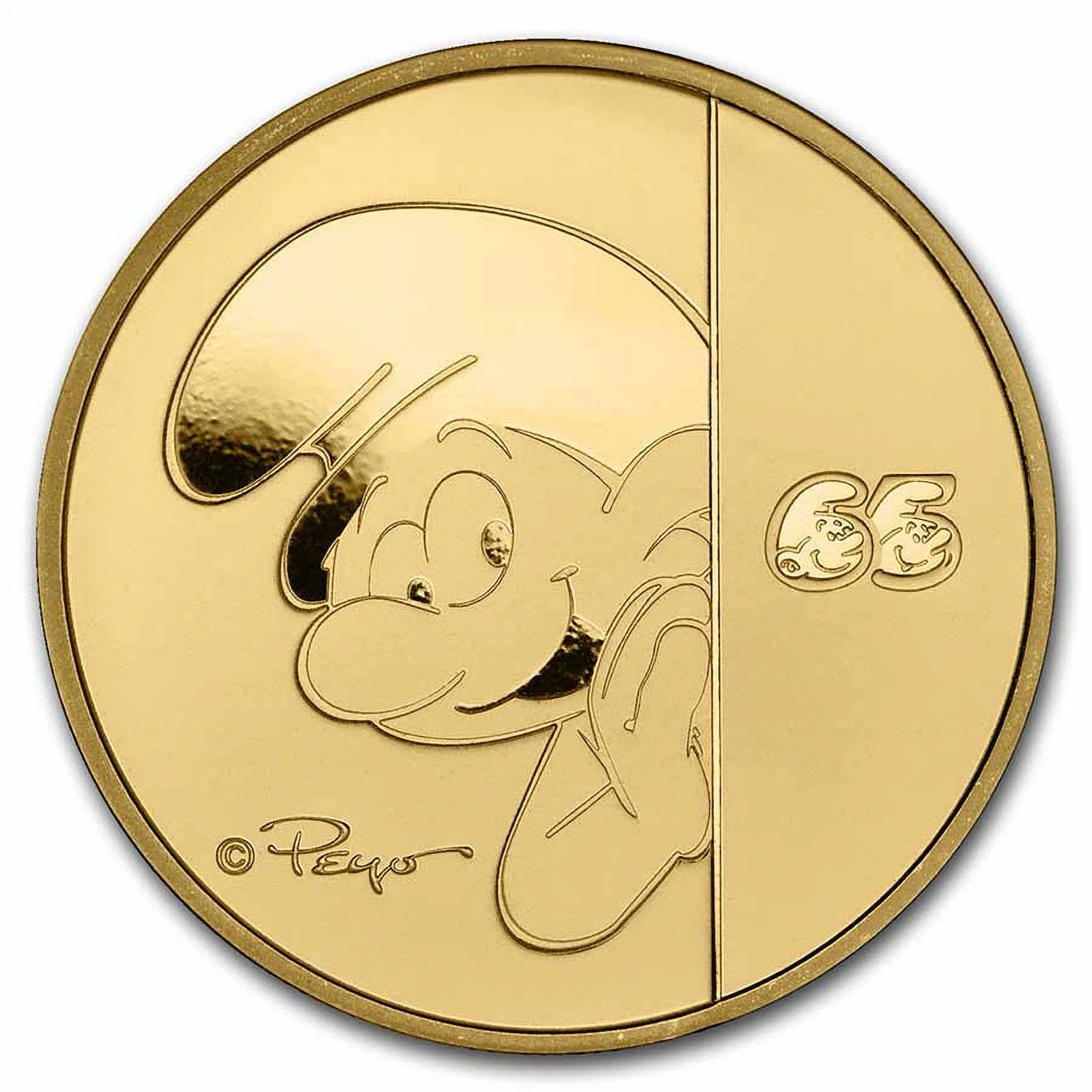
The Gold Smurf
Years ago, a customer called Oakton Coins asking what we were paying for an ounce of gold.
We were busy. We gave him a price over the phone based on what sounded like an ordinary ounce of gold bullion. Then he arrived. It was a gold Smurf coin.
The customer was very enthusiastic about the fact that only a small number had supposedly been made. He considered the low mintage an important part of its value.
There was just one problem. When we tried selling it into the dealer market, nobody cared. In fact, the other buyers mostly thought the thing was funny. We had quoted the customer a price, so we honored our quote. Ultimately, the Smurf went to the refinery and was melted for its gold content.
It was genuinely scarce. That didn’t create a market for it. That experience reinforced two pieces of advice we still give customers today: Don’t confuse scarcity with demand. And: Keep it vanilla.
Someone Still Has to Want It
This is an important distinction in collectibles. If only 100 examples of something exist but only 20 people want one, scarcity doesn’t accomplish very much.
Meanwhile, millions of examples of a common bullion coin may exist, but thousands of dealers and investors are willing to buy one at any given time.
For someone buying bullion as bullion, that broad market can be much more useful than a tiny mintage.
When considering an unusual bullion product, don’t just ask: How many did they make?
Also ask: How many people are likely to want this when I sell it?
Think About Selling Before You Buy
People naturally concentrate on the purchase. We suggest thinking about the eventual sale too.
Someday you may walk into a coin shop with this product. Will the dealer immediately know what it is? Is there a normal wholesale market for it? Can its value be established easily?
The easier those questions are to answer, the more “vanilla” the bullion probably is.
This doesn’t mean unusual bullion is bad. It means an unusual product needs a reason to justify being unusual.
In the United States, We Generally Prefer Ounces to Grams
Gram-denominated gold is common throughout the world, and there is nothing wrong with owning it.
For most American customers, however, we prefer familiar troy-ounce denominations.
The United States isn’t a metric country in everyday use, and the American bullion trade largely thinks in ounces and familiar fractional-ounce sizes.
One ounce, one-half ounce, one-quarter ounce and one-tenth ounce are immediately understandable to most American bullion buyers.
Gram bars can certainly be bought and sold. We simply don’t see an advantage in making bullion more complicated than necessary for a typical U.S. buyer.
Again: keep it vanilla.
22 Karat vs. 24 Karat Gold Bullion
Customers often assume that 24-karat bullion must be better than 22-karat bullion.
It isn’t that simple.
A 22-karat bullion coin can still contain its stated amount of pure gold. The additional metal is alloy added to the coin, increasing its total weight and making the piece more resistant to normal handling.
The American Gold Eagle and South African Krugerrand are familiar examples of 22-karat bullion coins.
Pure 24-karat gold is softer. Products such as American Gold Buffalos and Canadian Gold Maple Leafs can scratch or pick up marks more easily.
On the other hand, some buyers strongly prefer very high-purity gold. We particularly encounter that preference among some Asian customers.
Neither preference is wrong.
The important thing is understanding what you are buying rather than assuming that a larger karat number automatically makes one bullion investment superior to another.
Don’t Accidentally Turn Bullion Into a Collection
There is another reason we like boring bullion.
It can be easier to sell emotionally.
People become attached to collections.
Once bullion becomes personalized—a favorite character, a complete series, matching years, special packaging or something you’ve spent years assembling—it can become harder to look at it simply as an asset.
You may not want to break up the set.
You may remain attached to the premium you originally paid.
You may wait for someone who appreciates it as much as you do.
None of this is a problem if collecting was your intention. Coin collecting is a hobby, and people should collect things they enjoy.
But that’s different from buying bullion.
If the primary purpose of buying gold or silver is to hold an asset that you may eventually liquidate, there can be a real advantage to owning something you aren’t emotionally attached to.
It’s gold. It’s silver. You know what it is, the dealer knows what it is, and when you decide it’s time to sell, you sell it.
Premiums Don’t Always Come Back
A premium is what you pay above the underlying precious-metal value.
Some premium is normal. Bullion has to be manufactured, distributed, authenticated, inventoried and sold.
But unusually large premiums deserve scrutiny.
If you’re paying substantially more because something is rare, collectible, exclusive or limited edition, you’re making an additional bet: You’re betting that the next buyer will value those characteristics too.
Sometimes that happens. Sometimes the next buyer just sees an ounce of gold. The premium you paid when buying an item is not a promise about the premium someone will pay when you sell it.
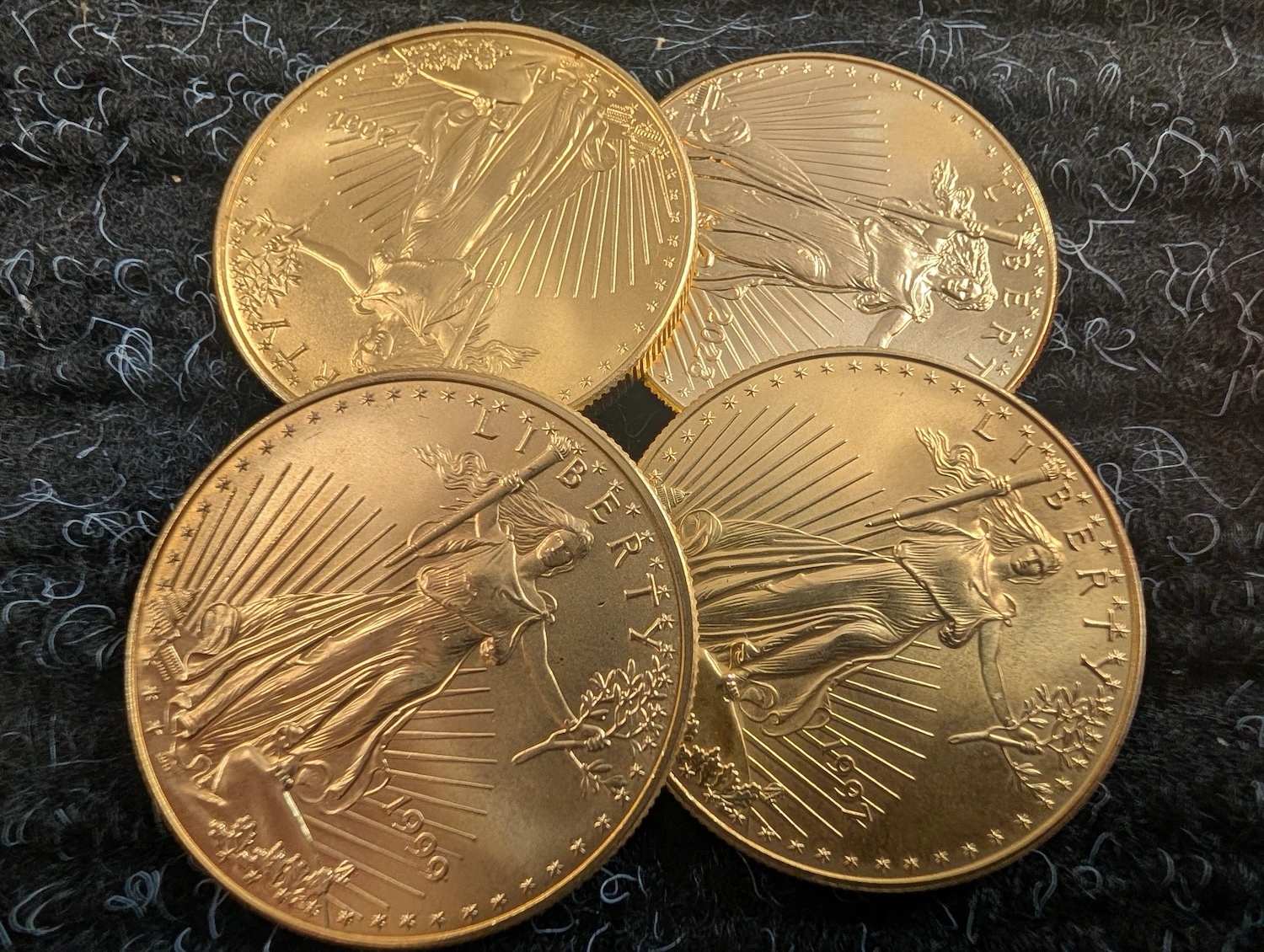
Collect What You Love. Keep Your Bullion Boring.
There is nothing wrong with buying an unusual gold coin because you love it.
If you collect Disney, Smurfs, animals, historic designs or anything else and want a gold piece for your collection, enjoy it.
Just understand the distinction.
A collectible made out of gold and gold purchased as bullion are not necessarily the same investment.
If your primary objective is simply owning precious metals, our advice after years of buying bullion back from the public remains remarkably simple: Buy recognizable products. Avoid unnecessary premiums. Think about the eventual sale. Don’t mistake low mintage for demand. And keep it vanilla.
Oakton Coins & Collectibles buys and sells gold, silver, platinum and palladium bullion at our Skokie location. We evaluate bullion in person based on the actual item and current market conditions.