Graded modern bullion has become a common part of the coin market. Silver Eagles, Gold Eagles, Maple Leafs, and other bullion coins are frequently found in professional holders with grades such as MS69 or MS70.
There is nothing wrong with graded bullion. Many collectors enjoy it, and some graded coins do sell for premiums. But if your main reason for owning bullion is its gold or silver content, professional grading is usually not necessary. This is one of the areas where the distinction between bullion coins and numismatic coins becomes especially important.
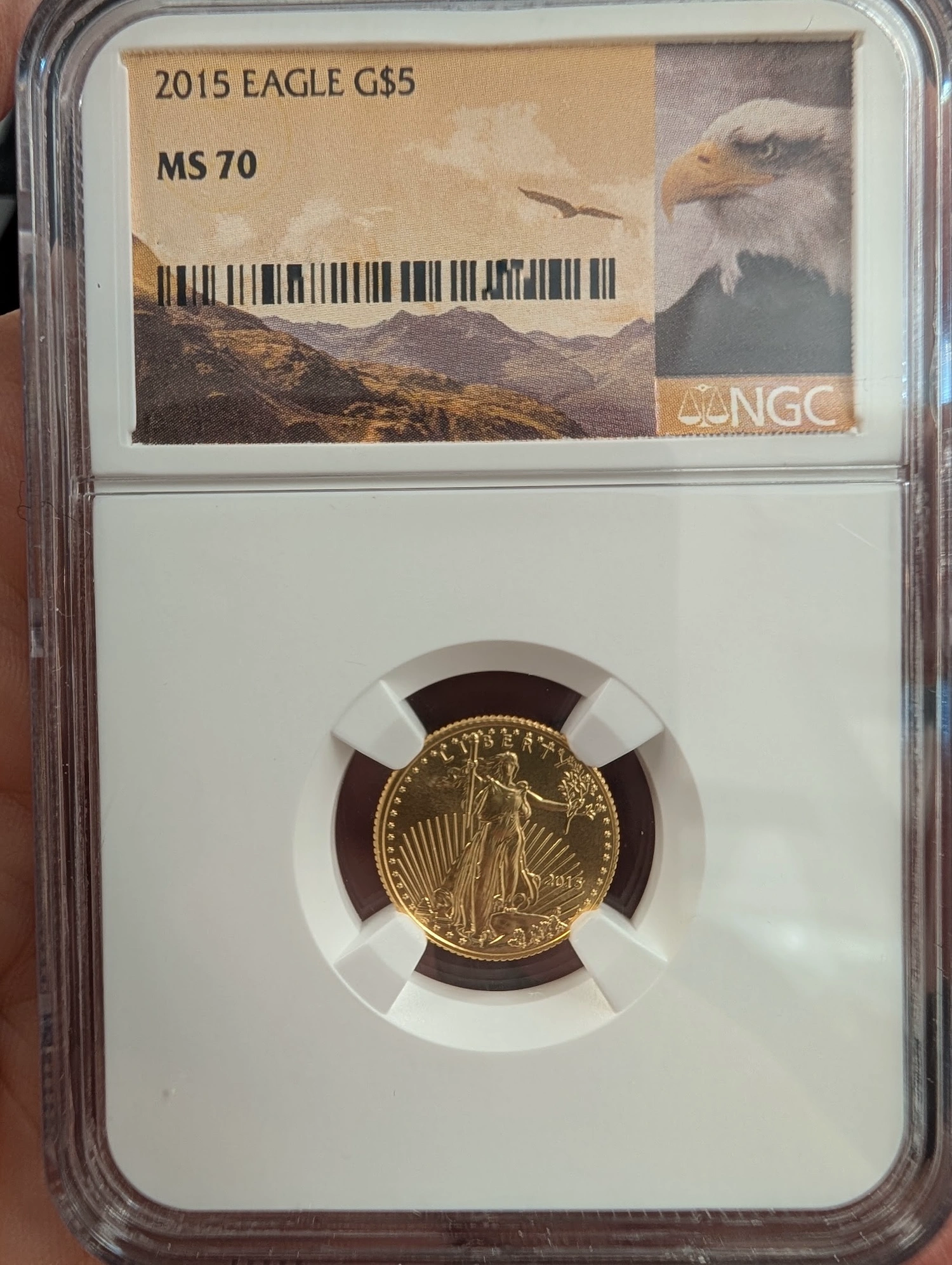
Modern Bullion Is Usually High Grade Already
Grading an older collectible coin can be very important. A coin that circulated for decades may exist in dramatically different conditions, and relatively small differences in grade can sometimes mean large differences in value. There are situations where professional grading is important enough that certain coins really need to be certified before their market value can be properly established.
Modern bullion is different. These coins are produced with modern equipment, are not intended for everyday circulation, and are generally protected from the time they leave the mint.
As a result, grades such as MS69 and MS70 are common. Collectors may prefer a perfect MS70, but a high grade on a modern bullion coin does not necessarily indicate the same kind of rarity that a very high grade can represent on an older circulation coin.
Grading Can Add a Premium, But It Is Not Guaranteed
A professionally graded bullion coin may be worth more than an ungraded example. Perfect grades, special labels, signatures, and other designations can appeal to collectors and sometimes bring additional premiums.
The important thing to understand is that those premiums depend on collector demand. They can change over time and may not be fully recovered when the coin is eventually sold.
The grade remains the same. The market premium can change.
For Bullion, the Metal Still Matters Most
When we evaluate modern bullion at Oakton Coins & Collectibles, we look at the entire item: the coin, its precious metal content, the current bullion market, and any additional collector value that may exist because of the grade or holder.
The underlying bullion value still moves with the precious-metals market. Our guide to why gold and silver dealers use spot price explains how that market reference affects the value of bullion regardless of whether the coin is graded.
We also verify authenticity. Counterfeit bullion and even counterfeit holders exist, so a plastic holder by itself is never a reason to ignore normal authentication practices. Counterfeit coins are more common than many people realize, and fake bullion products are part of that problem.
Should You Buy Graded Bullion?
If you enjoy collecting graded bullion, there is a well-established market for it. Some collectors specifically seek MS70 coins, matching sets, special labels, signatures, and other certified issues.
If you are primarily buying bullion for its gold or silver content, however, it is worth considering how much additional premium you are paying for the grade and holder.
An ounce of gold contains the same amount of gold whether it is graded or ungraded. The additional value of a graded bullion coin comes from collector demand, and that premium can change over time.
There is nothing wrong with buying graded bullion. Our advice is simply to understand what you are paying for and not assume that an additional premium paid today will necessarily be recovered when the coin is eventually sold.
At Oakton Coins & Collectibles in Skokie, we buy and evaluate both graded and ungraded gold bullion and silver bullion.
Related Articles: Bullion Coins vs. Numismatic Coins, Some Coins Have to Be Graded, Counterfeit Coins Are More Common Than Most People Realize, Why Gold and Silver Dealers Use Spot Price, What Is a Gold Spread?, Browse All Selling Guides