One of the more difficult conversations we have at Oakton Coins & Collectibles involves inherited stamp collections. Families sometimes arrive with albums that a parent or grandparent spent decades assembling, expecting the collection to have substantial value. Unfortunately, many of these collections are worth considerably less than their owners or families anticipated.
People often assume that stamp collecting and coin collecting are similar hobbies, and in many ways they are. Both were extremely popular throughout much of the twentieth century. Both involved albums, checklists, clubs, conventions, and collectors who devoted years to completing collections. But the markets for stamps and coins have developed very differently, particularly when it comes time to sell.
Why Coin Collections Often Have a More Active Market
One advantage of the coin market is that it has several different layers of buyers. At our Skokie shop, we regularly purchase gold coins, silver coins, bullion, and collectible coins. Depending on the material, there may be collectors, other dealers, wholesalers, auction companies, or precious metal refiners interested in purchasing it.
That creates a relatively active market for many categories of coins. If we purchase a group of common silver dollars or gold coins, we generally have a good understanding of their wholesale value and where they can be resold. Even when a coin has little collector premium, its precious metal content may provide an established underlying value.
Not every coin is easy to sell, of course. Some modern collectibles, inexpensive sets, and common foreign coins have limited demand. But the broader coin business benefits from established wholesale networks and an active market for precious metals. Those factors often make inherited coin collections easier to evaluate and sell than comparable collections of common stamps.
Stamp Collections Often Face a Different Reality
Stamp collecting is still an active hobby, and there are certainly rare stamps that sell for substantial amounts of money. Serious collectors, specialized dealers, and major auction houses continue to participate in the market. However, those valuable rarities are not representative of the collections most families inherit.
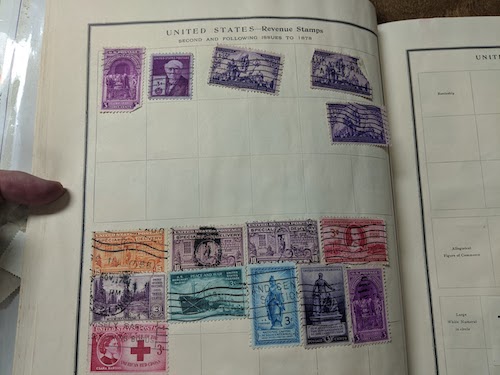
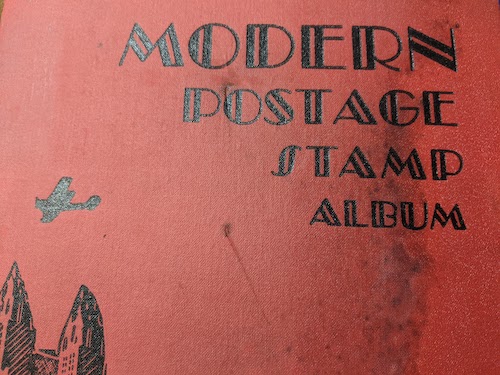
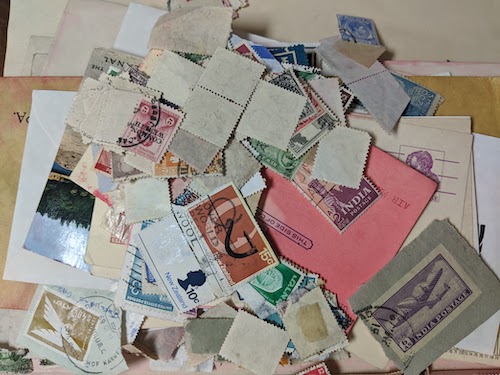
Many of the stamp collections we encounter consist primarily of common material assembled over many years. These collections may contain thousands of stamps from dozens of countries, carefully organized in albums. The amount of time and effort involved can be impressive, but the resale market for that material is often much smaller than people expect.
When common silver coins come into the shop, there is usually an established wholesale outlet. The same is true for many gold coins and bullion products. With ordinary stamp collections, there may be no comparable buyer waiting to purchase the material. That difference in liquidity has a major effect on what a dealer can reasonably offer.
Many Stamp Collectors Were Collecting for Enjoyment, Not Investment
Another important consideration is why people collected stamps in the first place. Families sometimes assume that because someone spent decades building a collection, they must have expected it to become valuable. In our experience, that was often not the primary motivation.
Stamp collecting provided an enjoyable activity. Collectors searched for missing stamps, studied different countries, learned history and geography, organized albums, and worked toward completing sets. Some spent evenings sorting through inexpensive mixtures of stamps simply because they enjoyed the process. Finding an unfamiliar stamp or filling an empty space in an album could be satisfying regardless of its monetary value.
We still encounter people who enjoy collecting stamps this way. They are not necessarily trying to build an investment portfolio. They enjoy the challenge, the organization, and the opportunity to learn something new. For many collectors, the hobby provided decades of entertainment at a relatively modest cost.
The Collection May Have Been Worth More to Its Owner Than to the Market
Over the years, we have seen stamp collections that clearly meant a great deal to the people who assembled them. Some belonged to veterans, retirees, or people who had been collecting since childhood. Others were passed down through families and became part of a person’s memories of a parent or grandparent.
The value of that experience should not be confused with the eventual resale price. A collector may have spent thousands of enjoyable hours working on an album, learning about the world, and making friends through the hobby. Those experiences had genuine value even if the stamps themselves are now difficult to sell.
This is sometimes the hardest part of the conversation with families. A collection can represent a lifetime of interest and dedication without representing a large financial asset. Explaining the difference is not meant to diminish the collector’s efforts. It simply reflects how the market values the material today.
How the Stamp Market Changed
The market for common stamps has changed considerably over the past several decades. Traditional letter writing declined as electronic communication became widespread, and stamp collecting no longer has the same broad cultural presence it once enjoyed. Many longtime collectors have aged, while younger generations have not entered the hobby in sufficient numbers to absorb all the common material accumulated over the years.
Meanwhile, enormous quantities of stamps remain in albums, boxes, and collections. When these collections eventually reach the market, the supply of ordinary material can exceed the number of interested buyers. Scarce and desirable stamps may still attract competitive bidding, but common material can be difficult to sell even when it appears impressive in an album.
Published catalog values can add to the confusion. A catalog may assign individual prices to thousands of stamps, but adding those figures together does not necessarily produce a realistic selling price for an entire collection. There is a substantial difference between a theoretical retail value and what an active buyer is prepared to pay. We discuss that distinction in our article about understanding pricing.
What Should You Do With an Inherited Stamp Collection?
If you inherit a stamp collection, it is worth taking a little time to understand what you have before assuming it is either valuable or worthless. Some collections contain better individual stamps, older specialized material, or items that deserve closer examination. Others consist almost entirely of inexpensive stamps that were accumulated for enjoyment rather than investment.
Try to keep the albums and collections together until someone familiar with the material has had an opportunity to examine them. Original organization, identifying notes, and specialized albums can sometimes help explain what the collector was assembling. There is generally no benefit to removing thousands of stamps from their albums or attempting to price each one individually using online listings.
At Oakton Coins & Collectibles, we encounter inherited stamps as part of the broader estate and collectibles business. We can discuss the general nature of a collection and whether it appears to contain material that warrants more specialized attention. You can learn more on our stamp collections page.
The Difference Between Collecting and Investing
The story of stamp collecting illustrates something important about collectibles in general. An object does not automatically become valuable because it is old, because someone saved it for decades, or because it once appeared in an expensive catalog. Its resale value ultimately depends on whether buyers want it and what they are willing to pay.
Coin collecting has certain advantages because precious metals and established wholesale markets support demand for many categories. Stamp collecting relies more heavily on the interests of specialized collectors, particularly for material that has little practical use outside the hobby.
None of this means stamp collecting was a mistake. For many people, it was a rewarding hobby that provided years of enjoyment, education, and personal satisfaction. The collection may have accomplished exactly what its owner wanted, even if its financial value today is modest.
Understanding that distinction helps families make realistic decisions when selling inherited collections, whether those collections contain stamps, coins, paper money, or other collectibles.
Related Articles: Selling an Inherited Stamp Collection, Understanding Pricing, How Coin Shops Actually Make Money, Why Coin Shops Cannot Pay Retail Prices, and Browse All Selling Guides.