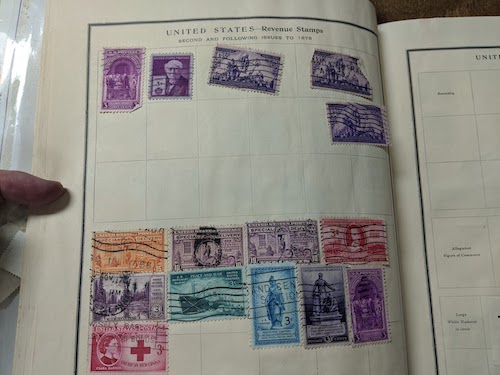
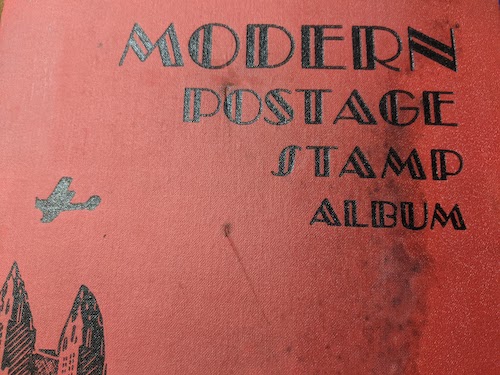
One of the more difficult conversations we have involves inherited stamp collections.
Many people assume that stamp collecting and coin collecting are similar hobbies and that the markets should behave in roughly the same way.
After all, both hobbies were extremely popular throughout much of the twentieth century. Both involved albums, checklists, clubs, conventions, dealers, and collectors who spent decades building collections.
However, the markets evolved very differently.
Understanding that difference helps explain why many inherited stamp collections sell for less than families expect, while many inherited coin collections continue to have active markets.
The Coin Market Still Has Multiple Layers of Buyers
If someone walks into our shop with a large quantity of common gold coins, silver coins, bullion, or even many collector coins, we can usually determine a value fairly quickly.
There are collectors, dealers, wholesalers, auction companies, and refiners actively participating in those markets every day.
There are established pricing systems, wholesale networks, and multiple levels of buyers.
In many cases, if we buy something today, we already know where it can be sold tomorrow.
There is a market behind the market.
That depth helps support pricing and liquidity.
Stamp Collections Often Face a Different Reality
Stamp collecting certainly still exists.
There are still collectors, dealers, clubs, and auction companies. There are also rare and valuable stamps that continue to sell through major auctions.
However, that is not what most families inherit.
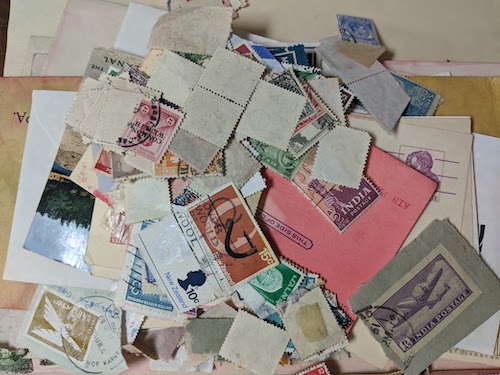
Most stamp collections we encounter consist of common material assembled over many decades by hobbyists who genuinely enjoyed collecting.
The challenge is that the buyer pool for these collections is often much smaller than people realize.
When common silver coins come into the shop, there is usually somebody to call.
When common gold comes into the shop, there is usually somebody to call.
When ordinary stamp collections come into the shop, there is often no equivalent phone call.
That does not mean the stamps are worthless. It simply means the market is often much smaller and less active than many coin markets.
Most Stamp Collectors Were Not Building Investments
This is another major difference that is often overlooked.
Many people inherit a stamp collection and immediately assume the original owner spent decades assembling it because they expected it to become valuable someday.
In our experience, that often was not the primary motivation.
Stamp collecting was frequently about the activity itself.
It was about finding missing stamps, organizing albums, learning geography, identifying new issues, and completing sets.
For many collectors, the challenge was the reward.
We still meet collectors today who purchase bulk stamps simply because they enjoy spending evenings sorting and placing them into albums.
The hobby provided entertainment, structure, relaxation, and a sense of accomplishment.
The enjoyment was often more important than the future resale value.
The Collection May Have Been Worth More to the Collector Than the Market
Over the years, we have seen many stamp collections that clearly meant a great deal to their owners.
Sometimes the collection belonged to a veteran. Sometimes it belonged to a retiree looking for a hobby. Sometimes it belonged to someone who simply enjoyed having a quiet project to work on.
Many collectors spent decades adding to their albums because they enjoyed the process.
That enjoyment was real.
The knowledge they gained was real.
The friendships they made through the hobby were real.
The collection may have delivered exactly what the collector wanted, even if the financial value today is lower than the family expected.
The Market Changed
The stamp market did not disappear overnight.
However, the world changed.
Letter writing declined. Electronic communication replaced much of the everyday use of stamps. The collector base aged. Fewer young collectors entered the hobby.
Meanwhile, millions of stamp collections remained.
The result is a market where supply often exceeds demand for common material.
This is one reason published catalog values and real-world selling prices can sometimes be very different.
As we discuss in our article on understanding pricing, a published value and an active market are not always the same thing. The same basic principle also explains why a dealer’s buying price is different from a retail asking price.
Final Thoughts
This does not mean stamp collecting was a mistake.
It does not mean collectors were foolish.
In many cases, stamp collectors received decades of enjoyment from the hobby. They learned history, geography, and culture while building collections that brought them genuine satisfaction.
The challenge is that today’s market is not the same market that existed when many of those collections were assembled.
Understanding that difference helps explain why stamp collections and coin collections often behave very differently when it comes time to sell.
If you inherited a stamp collection and are wondering whether it contains anything valuable, we also have a guide explaining what we look for when evaluating stamp collections.
Related Articles: Selling an Inherited Stamp Collection, Understanding Pricing: Why the Same Coin Can Have Ten Different Values, How Coin Shops Actually Make Money, Why Coin Shops Cannot Pay Retail Prices, Why Dealers Sometimes Turn Down Deals, Browse All Selling Guides