Why genuine examples are so valuable, and why almost every 1943 “copper penny” turns out to be something else.
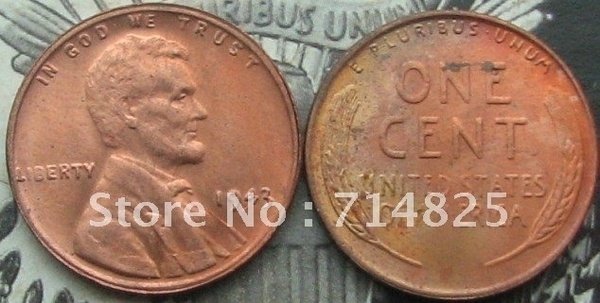
Every coin dealer receives calls about 1943 copper pennies. We have been getting those calls for years.
Usually the story is the same. Someone finds a brown 1943 penny in a jar, inherited collection, coin folder, dresser drawer, or old box of coins. After a quick internet search they discover articles claiming that a 1943 copper penny can be worth tens of thousands or even hundreds of thousands of dollars.
The problem is that genuine 1943 copper cents are among the rarest coins in American numismatics. Only about forty examples are believed to exist, and nearly all are already known to collectors, researchers, auction houses, and grading services.
In other words, it is far more likely that your coin is altered, plated, counterfeit, or misidentified than it is a genuine 1943 copper cent.
Why Are They So Rare?
During World War II, the United States Mint switched cent production from copper alloy to zinc-coated steel so copper could be used for the war effort. Experts believe the few genuine 1943 copper cents were struck accidentally when leftover copper planchets remained in the presses at the beginning of production.
Because they were produced by accident and only a tiny number escaped into circulation, genuine examples became one of the most famous rarities in American coin collecting.
The Part Most People Miss
Many people approach the 1943 copper penny as if they are the first person looking for one. They are not.
Collectors have been searching for these coins continuously since the 1940s. Coin dealers, investors, treasure hunters, estate buyers, and ordinary collectors have examined millions upon millions of 1943 pennies over the last eighty years.
This is not a newly discovered rarity. The search has already been going on for generations.
A good comparison is a famous gold rush. Imagine arriving at a gold field eighty years after the rush began. Generations of prospectors have already searched the streams, dug the hillsides, and removed most of what could easily be found. While it is still theoretically possible to discover something valuable, the search is very different than it was in the beginning.
The 1943 copper penny is similar. For decades, collectors have checked jars of pennies, bank rolls, inherited collections, dealer inventories, estate accumulations, and old coin albums looking for one. The fact that only a small number of genuine examples have been confirmed after all that searching is precisely why they are so valuable.
The rarity is not based on a rumor or a price guide. It is based on more than eighty years of people looking and almost never finding one.
Most 1943 Copper Pennies Are Fake
Because of the coin’s value, counterfeiters have spent decades making fake examples. Some were made years ago. Others are still being sold online today through marketplaces and overseas websites.
Common fakes include:
- Copper-plated 1943 steel cents
- Altered 1948 cents with the “8” modified to look like a “3”
- Altered 1945 and 1949 cents
- Modern counterfeit replicas
Over the years we have seen countless 1943 “copper pennies.” Like most dealers, we have seen plenty of fakes and altered coins, but never a genuine example.
The Magnet Test
The easiest first test is a magnet.
If the coin sticks to a magnet, it is steel and not a genuine copper 1943 cent.
If the coin does not stick to a magnet, that does not automatically make it genuine. It simply means additional testing is required.
Should You Send It For Grading?
Any coin believed to be a genuine 1943 copper cent would ultimately need to be authenticated by a major grading service such as PCGS or NGC before it could be considered valuable.
However, before spending money on grading fees, it is worth remembering just how rare these coins actually are. The overwhelming majority of 1943 copper pennies submitted for authentication turn out to be plated steel cents, altered dates, or counterfeits.
Could another genuine example still be out there? Anything is possible.
But after more than eighty years of searching, millions of people checking their coins, and only a few dozen confirmed examples known, the odds are extraordinarily small.
That is exactly why genuine 1943 copper pennies are worth so much money.
If everyone were finding them, they would not be rare.
FYI, The United States Never Made Pennies
When someone calls us convinced they have discovered a rare 1943 copper penny worth a fortune, we occasionally respond with a little coin dealer humor: “The United States never made pennies.”
That statement usually stops the conversation for a few seconds.
Technically, it’s true. The U.S. Mint has produced one-cent coins since 1793. Americans call them pennies, but their official name is cents.
The point isn’t to be difficult. It’s to remind people that before assuming they have discovered one of the rarest coins in American history, it might be worth learning a little more about the coin itself.
After all, collectors, dealers, and treasure hunters have been searching for genuine 1943 copper cents for more than eighty years. The reason they are worth so much money is because almost nobody has one.
Related Articles: Why Coin Values on the Internet Are Often Misleading, Are Old Coins Worth a Lot of Money?, Are Old Coins Rare?, Why Some Coins Have to Be Professionally Authenticated, Selling Coins on eBay, Browse All Selling Guides